Frequent waking and insomnia at night are common among the elders.
Insomnia is a common sleep condition marked by a chronic inability to fall or stay asleep despite having ample chance. In addition to extreme daytime sleepiness, people with insomnia suffer from numerous cognitive deficits that are caused by sleep loss while they are awake. Sleep onset insomnia, which causes difficulties falling asleep, and sleep maintenance insomnia, which causes problems staying asleep, are two different types of insomnia. Some people with insomnia have trouble falling asleep and staying asleep.
Insomnia affects 10-30% of adults2, according to recent estimates. Insomnia is more common in people over 60, and this can be due to a few distinct factors3. Medical and psychological illnesses that might cause insomnia symptoms, as well as other sleep disorders including sleep-disordered breathing or restless legs syndrome, are more common in seniors. As we get older, our internal circadian clocks and sleep-wake cycles4 shift, affecting how long – and how effectively – we sleep. In addition, several drugs used to treat the symptoms of elderly medical disorders might disrupt sleep.
Sleep and Aging
As we become older, the quality of our sleep tends to decline. People have a tendency to sleep less and have more waking episodes after falling asleep. The time it takes to fall asleep (sleep latency) may also rise. According to some research, starting in middle age, the average person loses 27 minutes of sleep per night for each decade beyond that.
The body’s internal timekeeping systems are linked to these declines in sleep quality and duration. Because the body can’t process circadian signals as well as it used to, elderly adults may go to bed and wake up sooner.
As we become older, our sleep architecture changes as well. There are four stages to a regular sleep cycle. Before the cycle begins again, there are two stages of “light” non-rapid eye movement (NREM) sleep, one period of “heavy” or “slow-wave” NREM sleep, and a final stage of rapid eye movement (REM) sleep. According to polysomnographic research, elderly persons have a lower percentage of slow-wave NREM and REM sleep than younger ones. This makes individuals more prone to nighttime waking episodes, as well as affecting how refreshed and awake they feel in the morning.
Recognizing and Diagnosing Insomnia in Seniors
Insomnia and advancing years frequently go hand in hand. While many seniors have sleep issues as a result of natural changes in their circadian rhythm and sleep-wake cycle, insomnia must meet certain criteria to be diagnosed. Despite having adequate sleep duration and a somewhat comfortable sleeping environment, a person with insomnia must report at least one of the following symptoms, according to the International Classification of Sleep Disorders (ICDS):
- Difficulty falling or staying asleep
- Repeated instances of waking up earlier than desired
- Feelings of resistance about going to bed at a reasonable time
- Difficulty sleeping without intervention from a caregiver
Insomnia must also include daytime impairments. These may include excessive daytime sleepiness, feelings of fatigue and malaise, mood disturbances and irritability, and trouble concentrating and paying attention. People with insomnia are at higher risk of accidents, and many struggle in social and family situations.
If these symptoms occur at least three times per week and persist for at least three months, then doctors may diagnose the patient with chronic insomnia. Until then, the condition is considered short-term insomnia5.
Determining the root causes of insomnia in older adults is key to a successful diagnosis. Primary insomnia refers to insomnia symptoms that occur independently, while secondary insomnia occurs due to an underlying medical or psychiatric condition that causes sleep loss. Insomnia symptoms are the same regardless of whether the condition is considered primary or secondary. However, treating secondary insomnia typically requires patients to first address the primary condition that causes their sleep problems.
Treatment for Insomnia in Older Adults
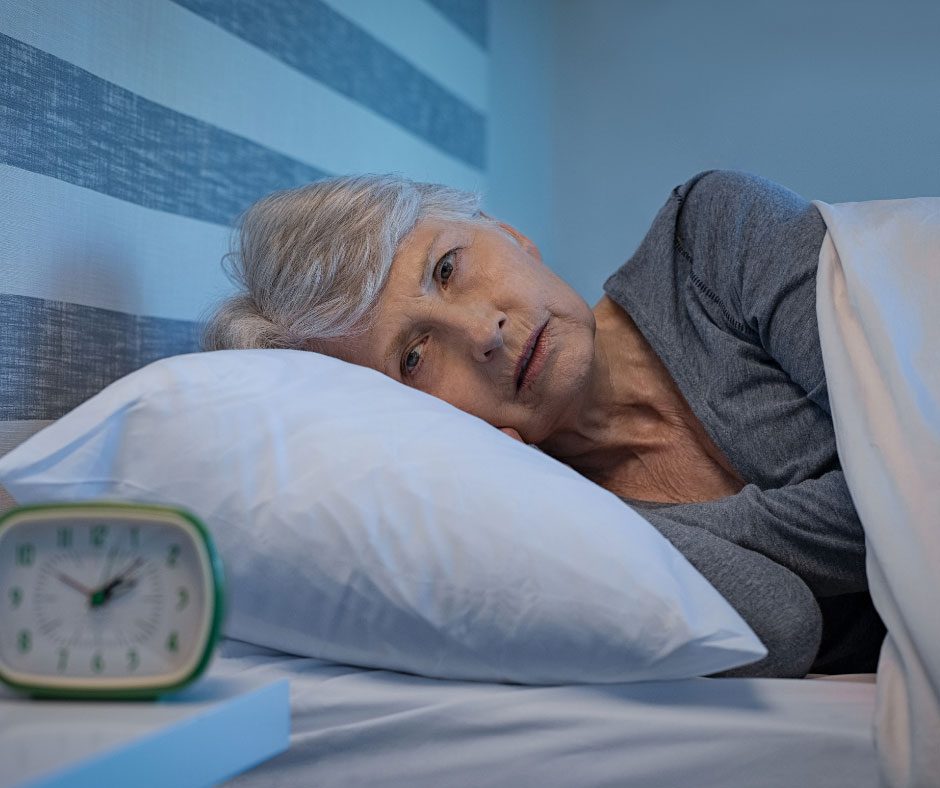
The initial step in the treatment of persistent insomnia in seniors is frequent sleep education and improved sleep hygiene. A doctor will talk to the patient about how to build and maintain a healthy sleeping environment in the bedroom. The ideal bedroom should be dark and quiet, with a temperature of no more than 75°F (23.9 degrees Celsius). Other than sleeping, the bed should not be utilized for other activities such as working or playing video games. During the warmest months of the year, an air conditioner may be beneficial. Doctors will also encourage regular exercise and a well-balanced diet, while discouraging the use of stimulants such as caffeine and tobacco.
Before considering any pharmacological or non-pharmacological insomnia therapies, you should always see your doctor.